Professional Hair Stylist Offerings for Your Flawless Style
Skilled hair stylist services play a pivotal role in achieving personalized hair transformations. Expert stylists analyze specific hair types and preferences, offering customized solutions that boost natural beauty. Their understanding of current trends and techniques empowers clients to select styles that suit them best. Still, the journey toward the perfect look entails more than a single session. Comprehending the entire range of these services unveils deeper insights into maintaining and upgrading one's style.
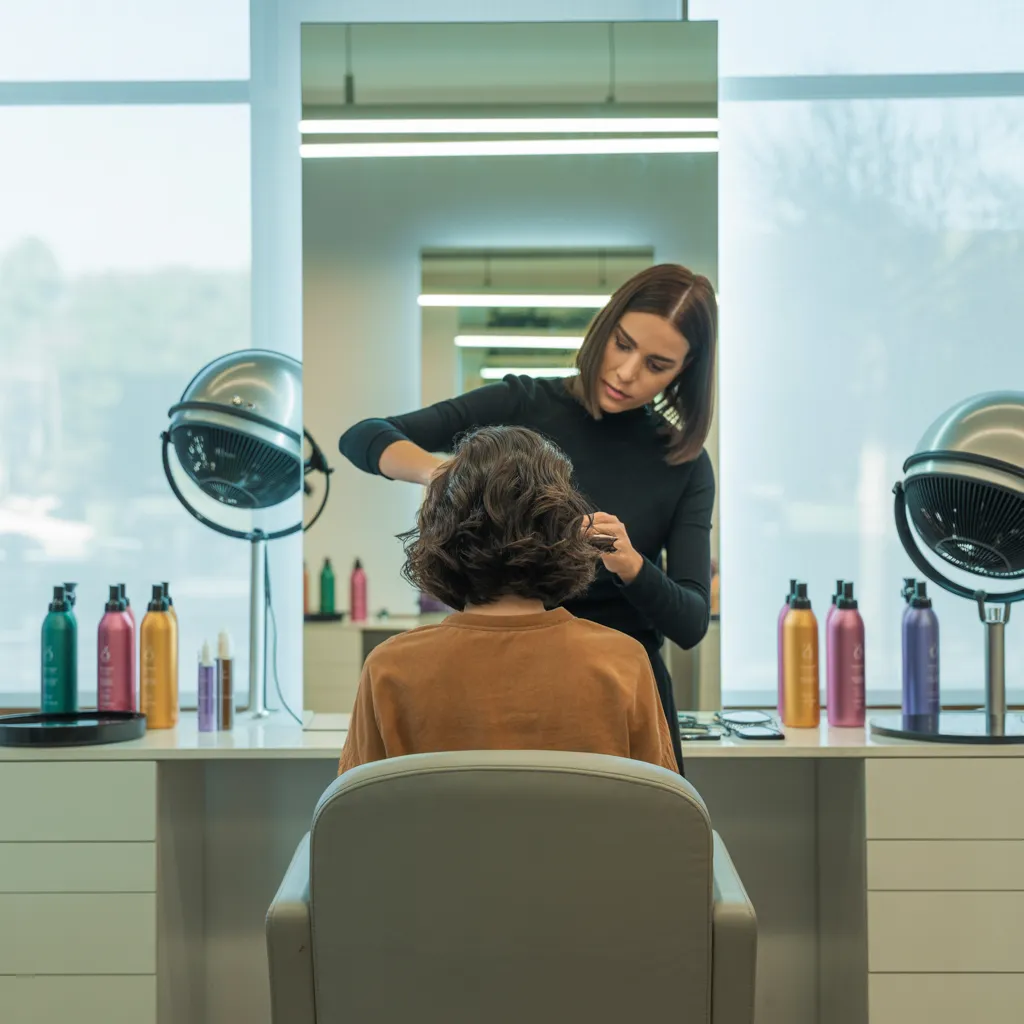
Primary Factors to Pick Experienced Hair Stylists for Your Hair Change
Why are expert hair stylists considered a go-to option for hair transformations? Their extensive training and experience allow them to understand various hair types, textures, and styles. This expertise enables them to adapt their techniques to meet individual client needs effectively. Additionally, expert stylists stay updated on the latest tools and products, guaranteeing excellent results with cutting-edge techniques.
Additionally, they have a refined sense of style, which enables them to suggest aesthetics that improve a client's look. This tailored approach builds confidence and ensures a gratifying experience. Dialogue is another essential component; experienced professionals listen carefully to their customers' desires, delivering valuable insights while respecting their wishes.
Furthermore, the use of premium products and salon-quality tools contributes to stronger hair, resulting in longer-lasting transformations. Overall, their combination of skill, innovation, and dedication makes professional stylists the ideal option for those wanting a substantial change in their appearance.
Recent Patterns in Expert Hair Stylist Options
Professional hair stylists continuously evolve their services to embody the hottest fashion trends in the industry, confirming clients receive modern and chic looks. Currently, one prominent trend is the rise of bespoke color techniques, such as balayage and ombre, which offer a more realistic look while enhancing individual features. Moreover, the popularity of texture procedures has expanded, with many preferring for beachy waves or soft curls to add volume and movement.
Another trend is the integration of sustainable practices, with stylists using green products and methods that minimize environmental impact. Clients are also leaning toward low-maintenance styles, favoring cuts and colors that require less upkeep. Moreover, advanced technologies like virtual consultations and augmented reality tools are becoming commonplace, allowing clients to visualize potential styles before committing. These innovations reflect a dynamic industry that emphasizes both aesthetic appeal and client satisfaction.
Determining Your Hair Type Requires: A Quick Guide
Knowing your hair type is important for proper care and styling. Different hair conditions and characteristics need particular products and techniques to reach the greatest results. This guide will explain how to identify hair types, advise key items, and recommend customized styling methods for each type.
Classifying Your Hair Type
What is the best way to accurately identify one's hair classification? Grasping hair nature involves checking its feel, bulk, and curl formation. Hair can be classified as straight, wavy, curly, or coily, with each category further divided based on thickness—fine, medium, or coarse. To assess this, anyone should analyze a single thread of hair. Fine hair is smooth and fine, while coarse hair is heavier and more tough. Additionally, the curl pattern can be recognized by observing how hair behaves when dry. Straight hair lies flat, wavy hair displays gentle bends, curly hair shapes distinct curls, and coily hair coils tightly. This foundational knowledge aids in selecting proper styling and maintenance techniques tailored to individual hair types.
Must-Have Supplies For Care
Picking the suitable products made for one’s hair type can greatly enhance its health and appearance. For fine hair, soft shampoos and plumping conditioners are ideal to prevent weighing it down. Medium hair benefits from moderate products that give moisture without unwanted heaviness. Curly or textured hair usually requires hydrating shampoos and deeply nourishing conditioners to maintain moisture and combat frizz. Those with thick hair may find creamy or oil-based products help control volume and boost shine. Additionally, color-treated hair requires sulfate-free shampoos and color-protecting conditioners to preserve vibrancy. Finally, incorporating leave-in treatments or serums helps to offer additional nourishment and protection, making sure that each hair type remains healthy and resilient.
Styling Strategies For Each
Accomplishing the ideal hairstyle often copyrights on applying the appropriate techniques tailored for each hair type. For straight hair, sleek styling tools and smoothing serums provide a polished look. Wavy hair benefits from texturizing sprays to boost natural waves while maintaining volume. Curly hair needs hydrating creams and diffusing methods to define curls without frizz. For coily hair, protective styles and heavier oils help maintain hydration and reduce breakage. Fine hair flourishes with volumizing products and lightweight styling gels to prevent limpness. Thick hair often needs stronger hold products and heat protectants to manage its weight. By understanding these tailored techniques, individuals can maximize their hair's potential and achieve their desired styles effectively.
How to Choose the Fitting Experienced Stylist for Your Expectations?
Finding the right professional hair specialist can often feel challenging, given the vast array of options available. To make an educated decision, one should first identify particular hair requirements and preferences. Investigating local salons and stylists online can give insights into their specialties, customer reviews, and portfolios featuring previous work.
Consultations are essential; they permit potential clients to discuss desired styles and assess the stylist's expertise. Asking about the stylist's knowledge with particular hair types and techniques can also help ensure compatibility. Personal suggestions from friends or family can be invaluable, as they often lead to established professionals.
Additionally, evaluate the salon's setting and service options, as these factors enhance the overall experience. Ultimately, choosing the right expert stylist centers on finding someone whose abilities match your personal hair aspirations, creating a sense of trust and comfort to accomplish the desired look.
Important Guidelines for Sustaining Your Hair Lively Between Salon Visits
After selecting the perfect professional hairdresser, keeping a vibrant hairstyle between salon visits becomes important. Regular touch-ups at home can significantly extend the life of a hairstyle. First, using the right products is essential; quality shampoos and conditioners suited to hair type can avoid unnecessary wear and tear. Additionally, minimizing heat styling helps preserve hair health and shape.
One reliable strategy involves strategic use of decorative items. Hair ties, clips, and head bands can be utilized to fashion quick, polished finishes that maintain hair firmly. Routinely trimming split ends at home can also help preserve the general style and minimize additional breakage.
Moreover, adopting a weekly deep conditioning treatment nourishes and revitalizes hair, ensuring it stays lively. Finally, modifying hair looks to work for various events, while maintaining the fundamental style, provides flexibility while preserving vitality. By following these simple tips, people can keep their look better before the next salon appointment.
Preparing Yourself for Significant Occasions: Key Tips
Getting prepared for special occasions requires intentional preparation to ensure a flawless look. Constructing a timeline for appointments can help elude last-minute stress, while surveying style inspiration sources can awaken creativity. By heeding these factors, individuals can achieve a polished appearance that complements the significance of the event.
Timeline for Booking Openings
Clients should schedule their hair appointments for special occasions with careful timing. Timing is essential for attaining the desired look. Experts suggest booking appointments at least four to six weeks ahead to guarantee stylists can accommodate specific requests. This timeframe enables consultations and necessary adjustments. For special events such as weddings or proms, a trial run is advisable, ideally booked two to three weeks before. This process helps clients visualize their final style and make any necessary changes. Moreover, clients should consider the time of day for their appointment; early morning slots often offer a relaxed environment, while evening appointments may be busier. In general, planning ahead ensures a smooth experience and a flawless hairstyle on the big day.
Aesthetic Inspiration Sources
As clients begin on their journey to achieve the perfect hairstyle for special occasions, investigating various style reference materials can greatly enhance their vision. Social media channels, particularly Instagram and Pinterest, serve as useful resources for discovering popular styles and unique ideas. Celebrity looks can also inspire clients, as many stylists showcase red carpet styles that are adaptable for personal use. Fashion magazines and bridal publications offer curated collections tailored to specific events, presenting an array of styles to explore. Additionally, meetings with experienced hair stylists can yield customized suggestions based on individual features and preferences. Ultimately, gathering diverse inspirations allows clients to refine their desired look, ensuring they feel confident and stylish on their special day.
The Advantages of Frequent Trips to Your Hair Stylist
Frequent visits to a hair stylist can greatly boost both the health and appearance of one’s hair. Regular appointments offer customized care adapted to unique hair needs and concerns. Stylists evaluate hair condition, recommend suitable treatments, and manage issues including split ends or damage. This proactive strategy helps preserve hair vigor and prevents enduring complications.
Moreover, regular visits guarantee that haircuts stay current and in line with current trends. Hair professionals can offer valuable insights on hair styling methods and products that work well with specific hair textures, improving overall manageability.
In addition, these visits often work as a moment of self-care, promoting relaxation and well-being. Clients leave feeling energized, with a self-assurance boost that derives from a polished appearance. Overall, maintaining hair stylist appointments as discover this a habitual practice is necessary for achieving and maintaining a desired look while enhancing hair health.

Commonly Questioned FAQs
How Frequency Would I Switch My Hairstyle With a Stylist?
Altering your hair styles every 6-8 weeks is widely suggested for preserving freshness and style. Personal preference, hair texture, and seasonal trends also influence how regularly one should visit a stylist for a transformation.
What Should I Pack for My Inaugural Appointment?
For a first appointment, bringing clear inspiration images, a list of hair products used, any relevant medical history, and an open mind is essential. These elements help facilitate effective communication and provide a successful styling experience.
Can I receive a Consultation without booking a Service reservation?
Yes, customers can usually seek a session without dedicating themselves to a service. This enables them to discuss their preferences and needs with the stylist, making sure a comfortable and informed decision before moving forward with any appointments.
How Can I Express My Wanted Style Clearly?
To convey a desired look effectively, one should gather style photos, detail particular characteristics, and express individual tastes plainly. Open dialogue promotes comprehension, guaranteeing the stylist grasps the individual's vision for their hair design.
What if I React negatively to Certain Hair Products?
If one is sensitive to certain hair products, it's crucial to tell the stylist beforehand. They can recommend hypoallergenic alternatives, ensuring a safe experience while achieving the desired hairstyle without adverse reactions.